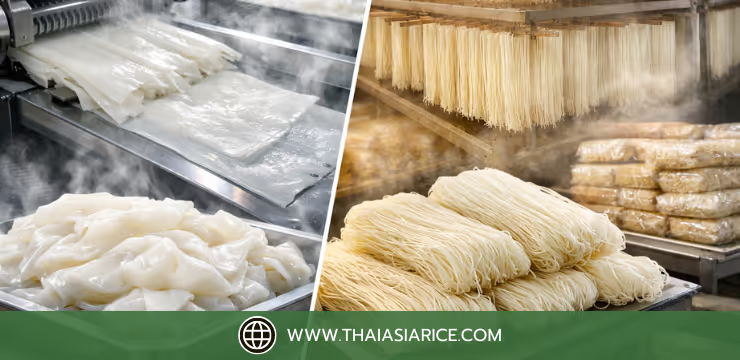
Fresh Rice Noodles vs. Dried Rice Noodles: How Do the Production Processes Differ?
Rice noodles are a staple ingredient across Asia and a key component of many global cuisines—from Vietnamese pho and Thai pad see ew to Chinese stir-fried noodles and fusion dishes worldwide. For restaurants, food brands, importers, and distributors, understanding the difference between Fresh Rice Noodles vs. Dried Rice Noodles goes far beyond taste.
The production process directly impacts texture, shelf life, logistics, food safety, and overall business scalability.
This article explores how fresh and dried rice noodles are produced, highlights their key differences, and helps you decide which option is better suited for your business model.
🌾 What Are Rice Noodles?
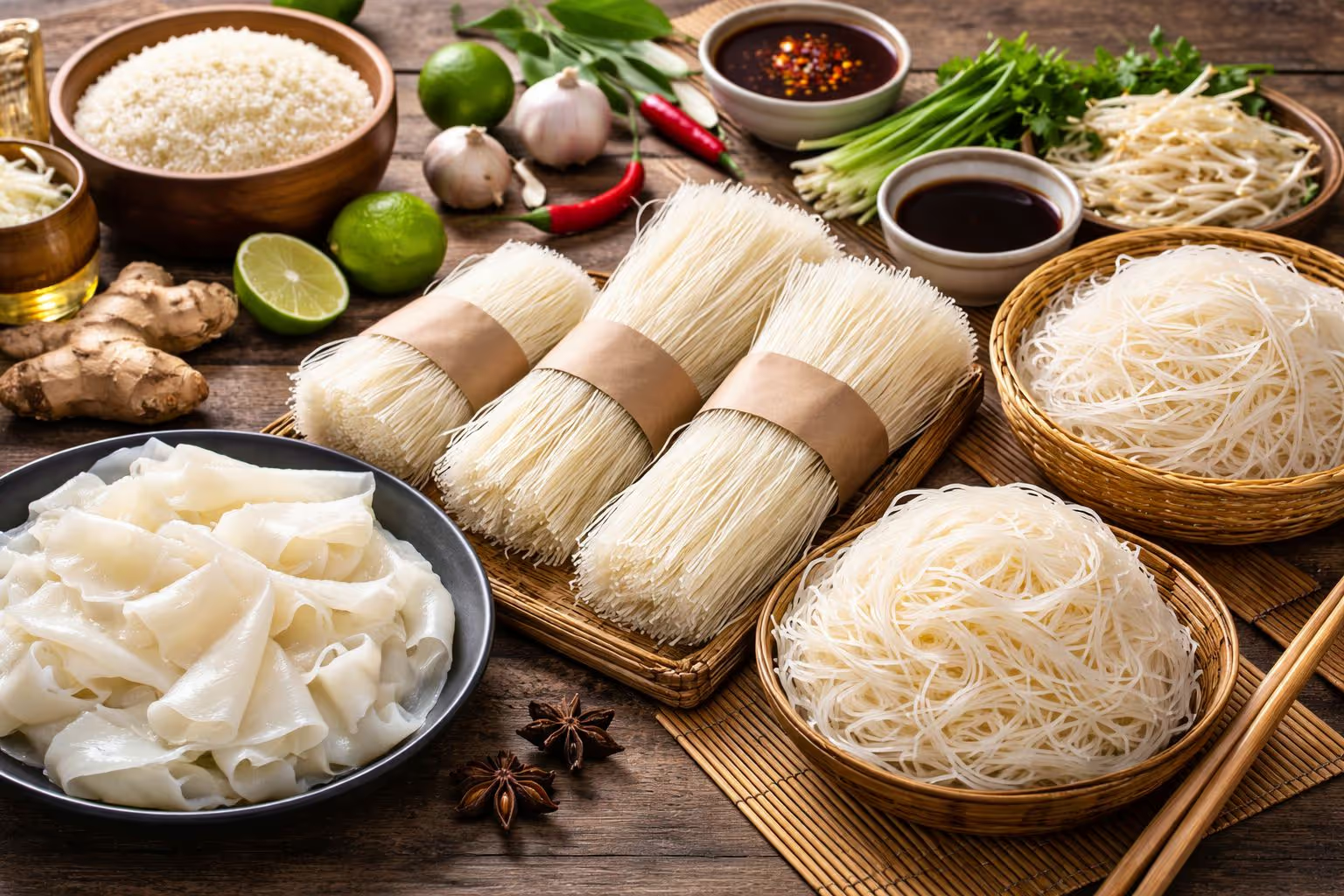
Rice noodles are made primarily from rice flour and water, with some variations including tapioca starch to enhance elasticity. Unlike wheat noodles, rice noodles are naturally gluten-free, making them increasingly popular in international markets.
However, rice noodles generally fall into two main categories:
-
Fresh rice noodles
While they may look similar in finished dishes, the manufacturing processes behind them are fundamentally different.
🥢 Fresh Rice Noodles: Production Process Explained
🔧 Step-by-Step Fresh Rice Noodle Production
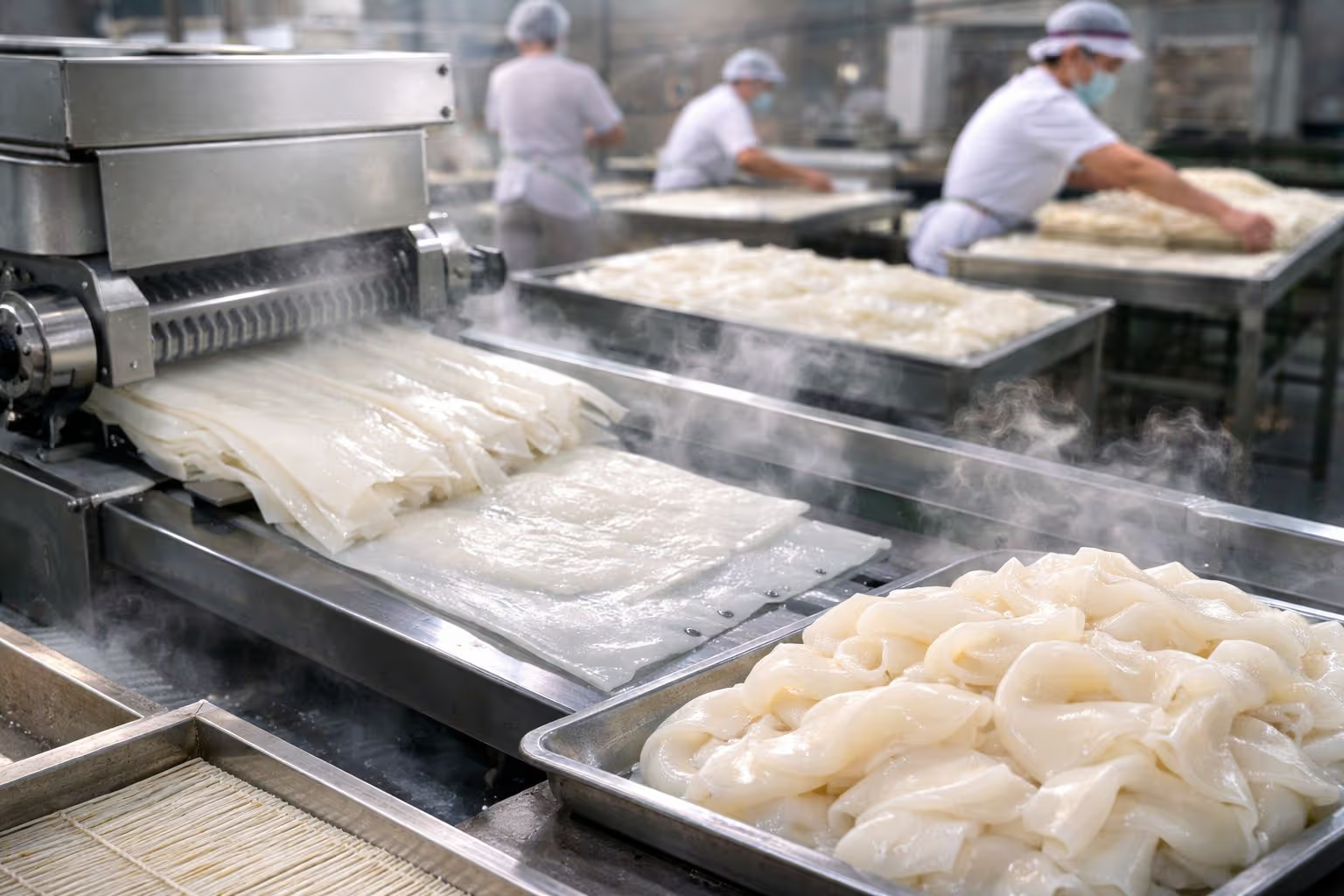
Fresh rice noodles are typically produced using a wet, heat-based process that emphasizes softness and freshness.
-
Rice Flour Batter Preparation
Rice flour is mixed with water to create a smooth batter. The consistency is critical—too thick or too thin will affect texture. -
Steaming Process
The batter is poured onto cloth or metal trays and steamed at controlled temperatures. This step gelatinizes the starch, creating soft noodle sheets. -
Cooling and Setting
After steaming, the sheets are cooled to stabilize structure and prevent tearing. -
Cutting or Rolling
The sheets are cut into flat noodles or rolled depending on the desired style. -
Light Oil Coating
A small amount of oil is applied to prevent sticking. -
Packaging and Distribution
Fresh rice noodles are packed immediately and distributed under refrigerated or fast-turnover conditions.
✅ Characteristics of Fresh Rice Noodles
-
Soft, smooth, and elastic texture
-
High moisture content
-
Short shelf life (1–3 days without preservatives)
-
Requires cold-chain or local distribution
Fresh rice noodles are ideal for local restaurants, street food vendors, and premium dining where texture is a top priority.
🍜 Dried Rice Noodles: Production Process Explained
🔧 Step-by-Step Dried Rice Noodle Production
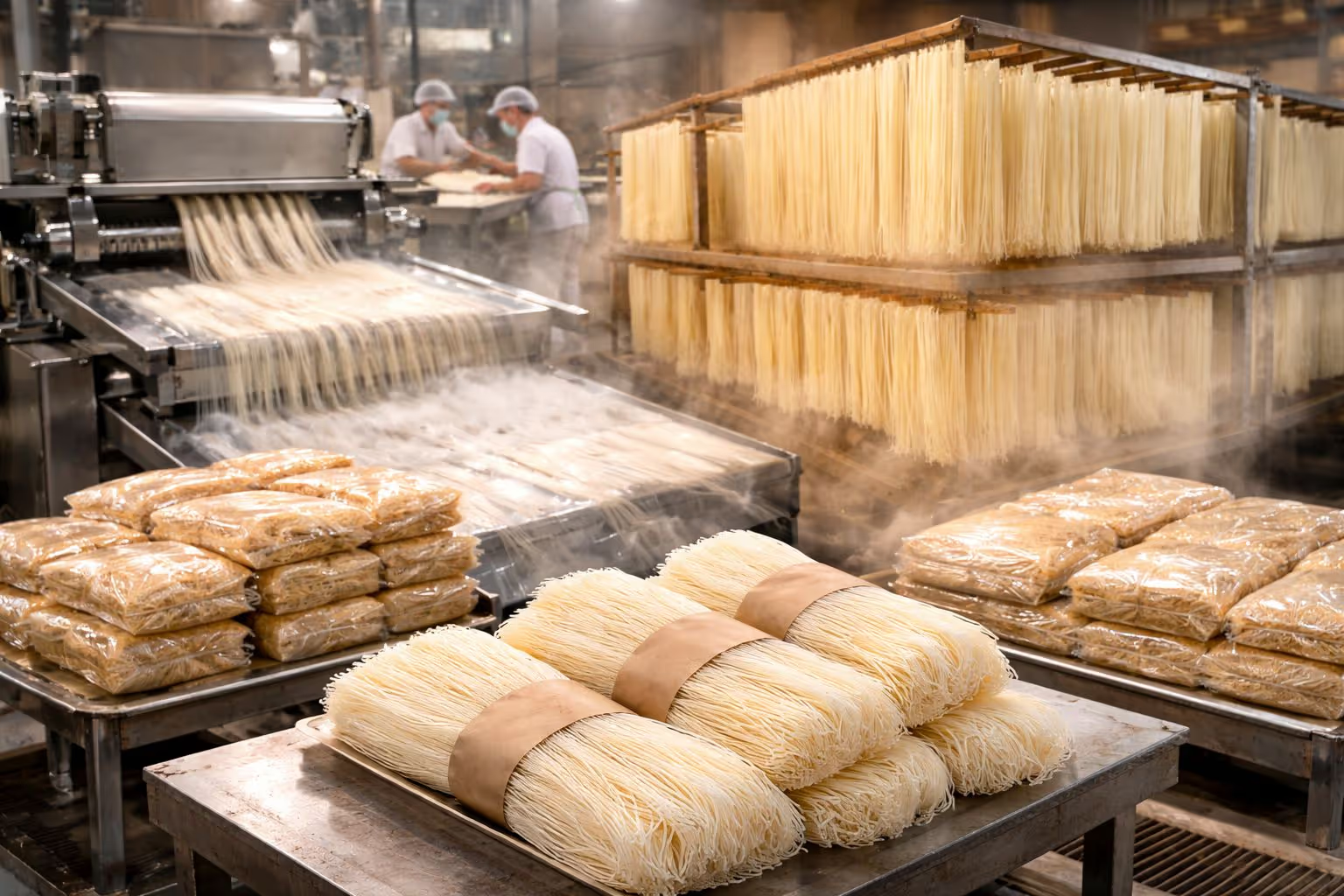
Dried rice noodles are designed for long-term storage and global distribution, making their production process more complex and controlled.
-
Rice Flour Mixing
Rice flour and water are mixed, often with precise ratios for consistency. -
Sheeting or Extrusion
The dough is either steamed into sheets or extruded directly into noodle strands. -
Pre-Cooking or Partial Gelatinization
The noodles are lightly cooked to stabilize structure before drying. -
Drying Process
This is the most critical stage. Noodles are dried using:-
Hot air drying
-
Tunnel drying systems
-
Low-temperature controlled drying
Proper drying prevents cracking and preserves texture after rehydration.
-
-
Cutting and Portioning
Once dried, noodles are cut to standardized lengths. -
Packaging and Storage
Dried noodles are sealed in moisture-proof packaging for export and long-term storage.
✅ Characteristics of Dried Rice Noodles
-
Firm structure when dry, soft after rehydration
-
Long shelf life (6–24 months)
-
Easy to store and transport
-
Ideal for export, retail, and food manufacturing
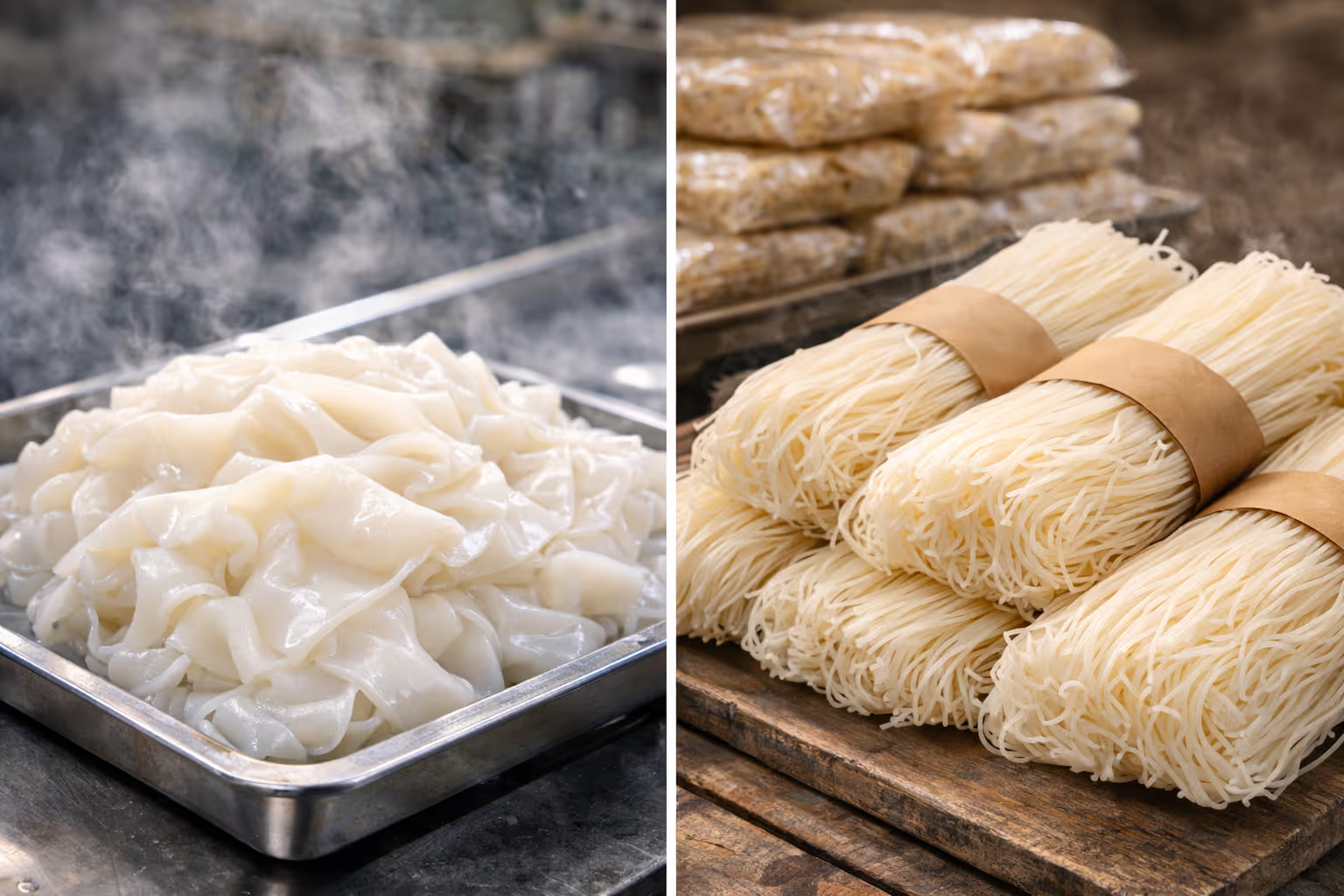
Fresh Rice Noodles vs. Dried Rice Noodles: Key Differences
| Aspect | Fresh Rice Noodles | Dried Rice Noodles |
|---|---|---|
| Moisture Content | High | Low |
| Shelf Life | Very short | Long-term |
| Production Complexity | Simpler but time-sensitive | More technical and controlled |
| Logistics | Local or refrigerated | Global shipping |
| Texture | Ultra-soft and silky | Firm, elastic after soaking |
| Business Scalability | Limited | High |
Understanding Fresh Rice Noodles vs. Dried Rice Noodles is essential when choosing a product for restaurants, retail brands, or export-focused businesses.
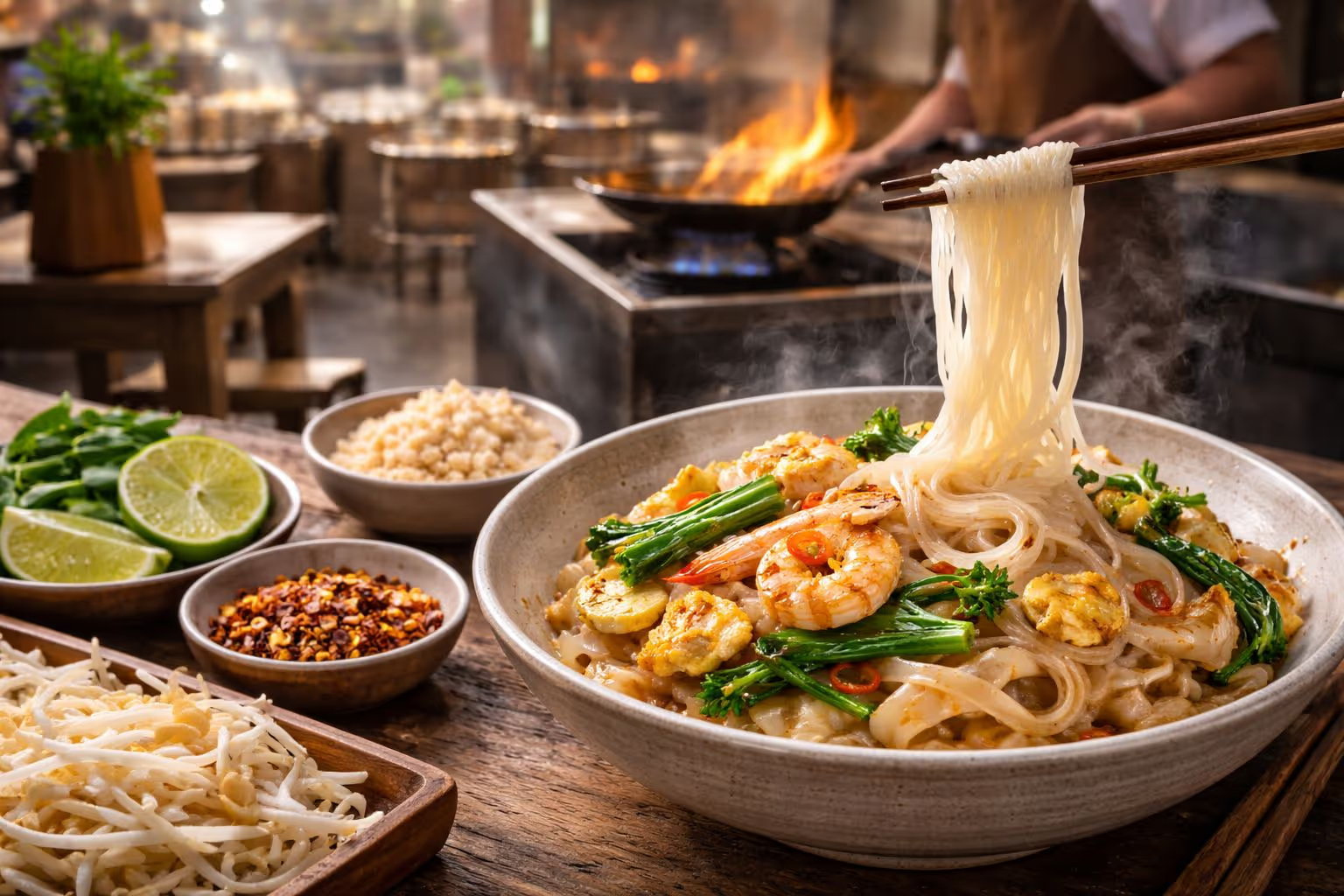
🌍 Which Type Is Better for Your Business?
The right choice depends on your target market and distribution model:
-
Choose fresh rice noodles if you operate locally and focus on premium, freshly cooked dishes.
-
Choose dried rice noodles if you need consistency, scalability, and international reach.
For manufacturers and exporters, dried rice noodles offer lower risk, longer shelf life, and better inventory control.
📝 Summary
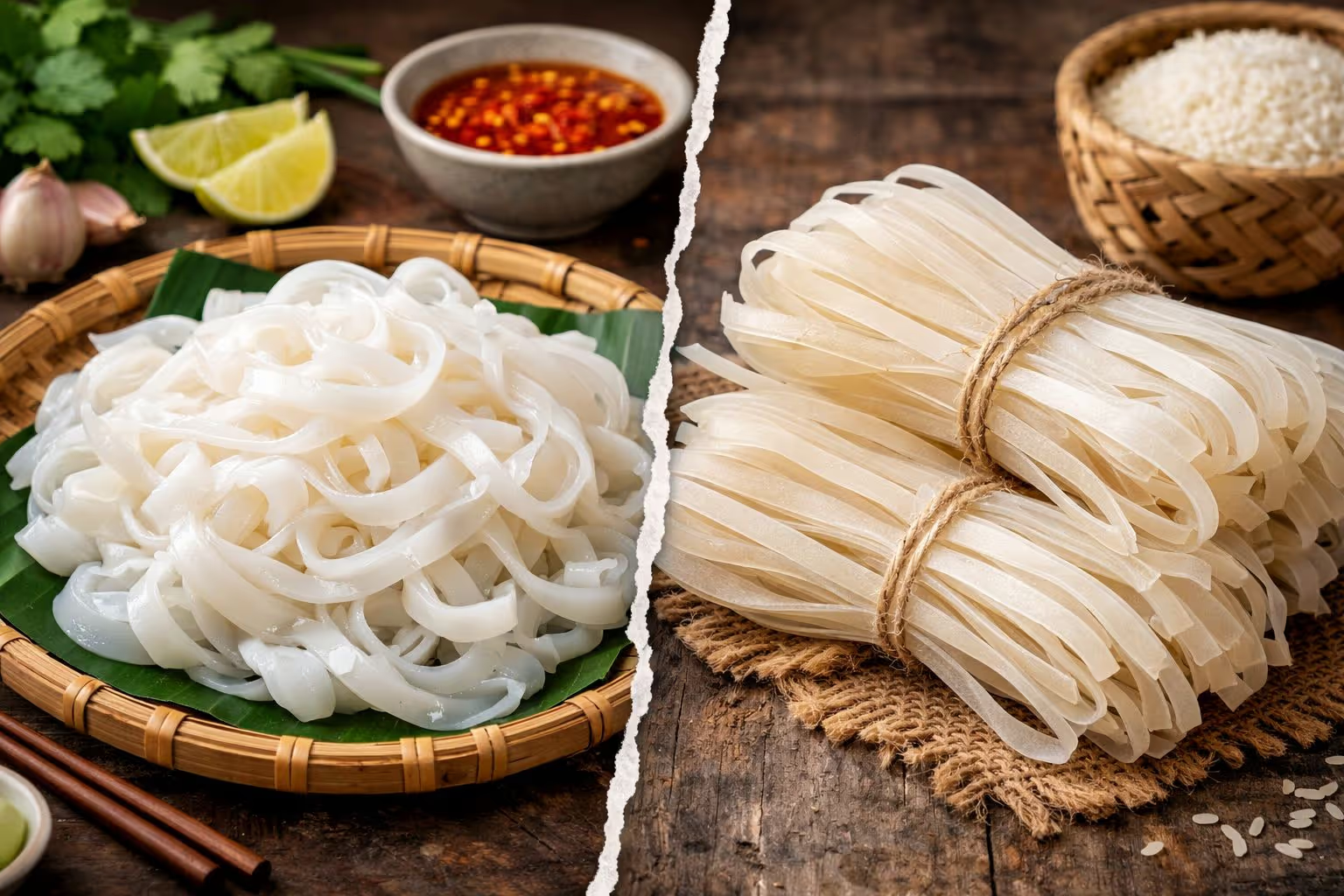
The comparison of Fresh Rice Noodles vs. Dried Rice Noodles reveals that the production process defines everything—from texture and shelf life to logistics and business potential.
Fresh noodles prioritize immediacy and softness, while dried noodles are engineered for durability, scalability, and global distribution.
By understanding these production differences, businesses can make smarter sourcing decisions and build stronger, more sustainable food operations.
If you are looking for a trusted rice noodle manufacturing partner, Thai Asia Rice is ready to help you turn quality rice into successful products for markets worldwide.

❓ FAQ: Frequently Asked Questions
1. Are fresh rice noodles healthier than dried rice noodles?
Nutritionally, both are similar since they are made mainly from rice. The key difference lies in processing and shelf life, not inherent health value.
2. Do dried rice noodles lose quality compared to fresh ones?
High-quality dried rice noodles, when properly produced and rehydrated, can achieve excellent texture and taste, suitable for both home cooking and professional kitchens.
🏭 Professional Rice Noodle Manufacturing Solutions
For businesses seeking reliable rice noodle production, Thai Asia Rice provides comprehensive solutions tailored to global markets.
Why Choose Thai Asia Rice?
-
Advanced rice noodle production technology
-
Strict quality control and food safety standards
-
Expertise in dried rice noodles for export
-
Custom formulations, sizes, and packaging
-
Support for OEM, private label, and bulk supply
Whether you are developing a new food brand, expanding export channels, or sourcing consistent raw materials, Thai Asia Rice is equipped to support your growth with professionally manufactured rice noodles that meet international standards.


